Strong Foundations. Meaningful Learning. Measurable Growth.
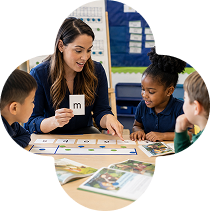
Roots & Results helps K–3 schools strengthen foundational literacy and numeracy through explicit instruction, aligned assessment, responsive intervention, and job-embedded professional learning. Strong foundations grow into meaningful reading, writing, mathematical reasoning, confidence, and measurable progress.
Evidence-Aligned
Prevention-First K–3
Assessment-Driven
Measurable Growth
Your District. May Not Need Another Program. It May Need Stronger Alignment
When results stall, the problem is often not a lack of materials. It is a disconnect among curriculum, assessment, intervention, professional learning, and leadership follow-through.
Alignment Gaps
Curriculum, assessment, intervention, and professional learning are moving in different directions.
Inconsistent Practice
Delayed Support
Data Without Action
Six Foundational Roots. Four Commitments. One Connected System.
Six instructional roots build the foundational skills students need for meaningful learning and measurable growth.
Four Cross-Cutting Commitments
- Rich oral language, vocabulary, and knowledge building
- Meaningful reading, writing, comprehension, and mathematical reasoning
- Culturally and linguistically responsive instruction
- Assessment-driven differentiation, engagement, and family partnership
System Supports Surrounding the Roots
- Strong Tier 1 instruction
- Responsive Tier 2 and Tier 3 intervention
- Assessment, grouping, and progress monitoring
- Job-embedded coaching and professional learning
- Leadership walkthroughs and data routines
- Family and community partnership
Foundational Instruction → Meaningful Application → Measurable Student Outcomes
Support Built Roots. Around Your System.
Every engagement begins with your goals, resources, people, and implementation realities.
K–3 Literacy and Numeracy Systems
Identify strengths, implementation gaps, root causes, and the priorities that deserve attention first.
Assessment, Grouping, and Progress Monitoring
Tier 2–3 Intervention and MTSS Design
Need support beyond Grade 3?
Explore Empowerment & Results for customized literacy, writing, comprehension, and instructional support in Grades 3–12.
From Insight to Sustainable Practice.
Step 1
Listen
Understand your goals, student needs, current initiatives, and leadership priorities.
Step 02
Analyze
Review data, resources, instructional practices, and implementation evidence.
Step 03
Design & Equip
Create a focused plan and provide the tools, coaching, and professional learning needed.
Step 04
Monitor & Sustain
Clarity for Leaders. Stronger Practice for Educators. Meaningful Growth for Students.
Effective consulting should leave your system stronger not dependent on continued outside support.
Clearer Direction
Leadership teams understand what deserves attention first.
Stronger Instructional Practice
Educators receive practical guidance they can apply immediately.
Greater Implementation Consistency
Measurable Student Growth
Dr. Tabitha Coffman
Former Elementary Principal
F.J. Young Primary School • Seminole, Texas
Dr. Tabitha Coffman
Former Elementary Principal
F.J. Young Primary School • Seminole, Texas
Dr. Tabitha Coffman
Former Elementary Principal
F.J. Young Primary School • Seminole, Texas
Nearly Four Decades of Educational Experience
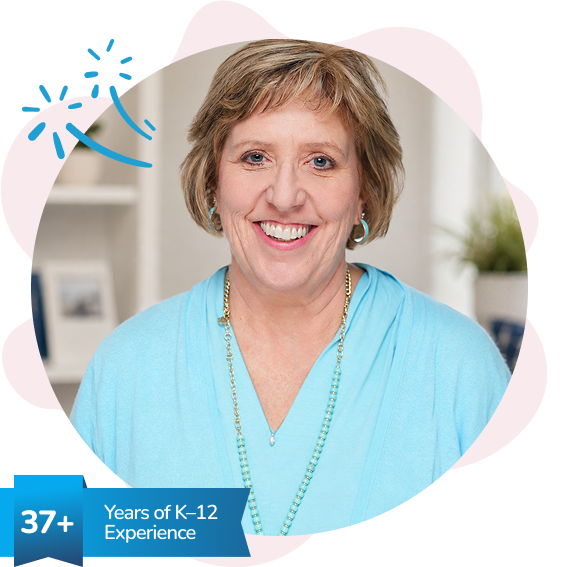
Dr. Cynde Wadley brings more than 37 years of experience across classrooms, campuses, districts, universities, and educational consulting.
Her work connects instructional detail with the leadership systems needed to make improvement practical, measurable, and sustainable.

- Classroom teacher
- Instructional coach
- Curriculum and bilingual/ESL leader
- Principal
- Assistant superintendent
- University instructor
- Educational consultant
Literacy Systems & Science of Reading
Best for: K–8 systems strengthening Tier 1 literacy, foundational skills, structured literacy, intervention, comprehension, knowledge building, or writing.
- Curriculum and standards alignment
- Foundational literacy and structured literacy implementation
- Universal screening, diagnostics, and instructional response
- Intervention placement, lesson matching, dosage, and progress monitoring
- Listening comprehension, vocabulary, fluency, comprehension, and writing integration
- English–Spanish planning and bridging considerationsTeacher learning, coaching, walkthrough tools, and leadership routines
Result: A coherent literacy system in which curriculum, teaching, assessment, intervention, and professional learning reinforce one another.